Parasitic loudspeaker broadcasting Radio Insurgencia archive from Peru's November 2020 protests against micro-dictator Merino. Installed in Conversations on Shadow Architecture [C o S A] exhibitions in Brisbane and Sydney, curated by Ineke Dane. The module transmitted resistance recordings, occasionally interrupted with live broadcasts from Seattle.
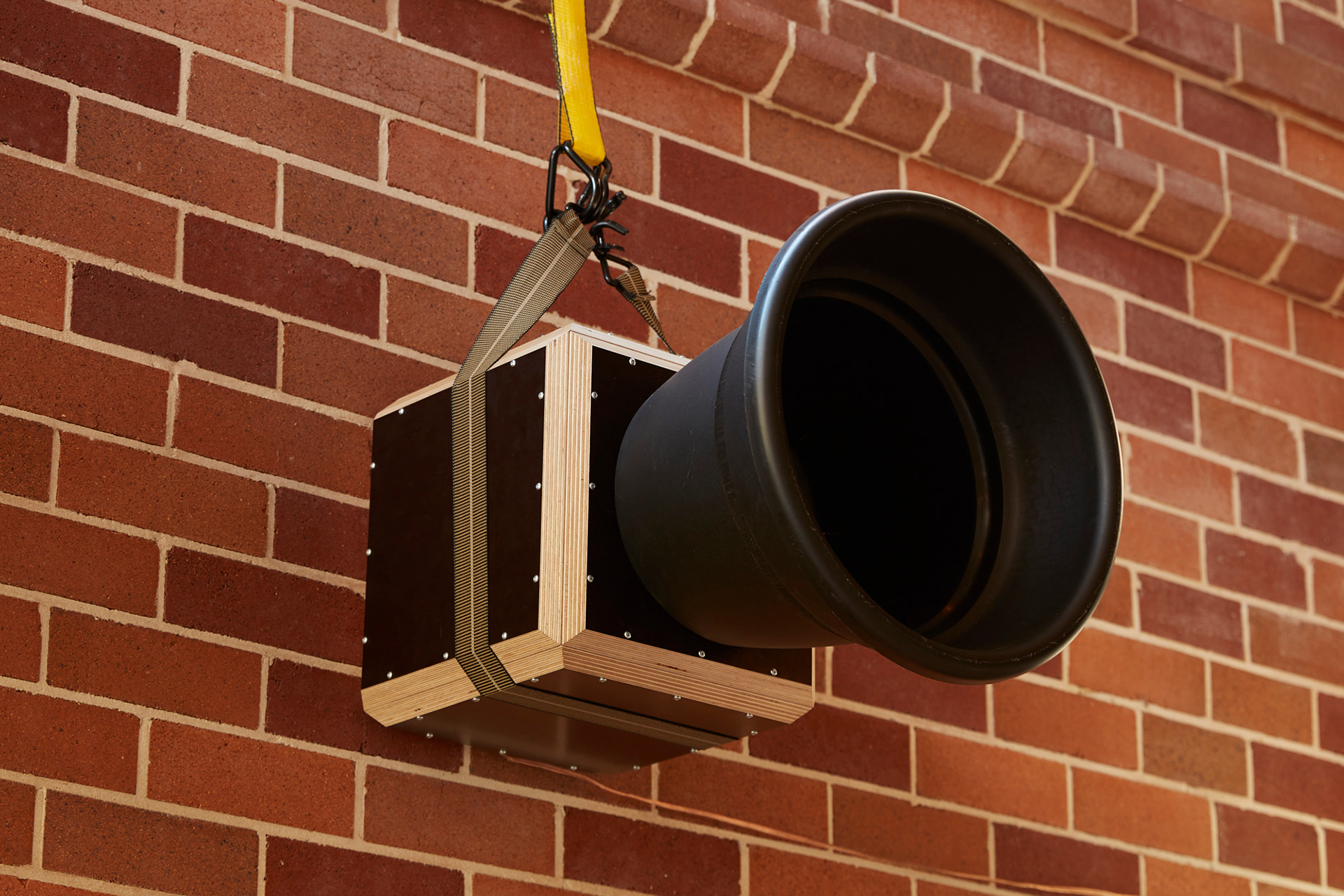
Photo: Cieran Murphy.
The exhibition also featured video documentation of Momoprot and included the printed Momoprot Manual. The exhibition booklet contained a text written for the occasion.
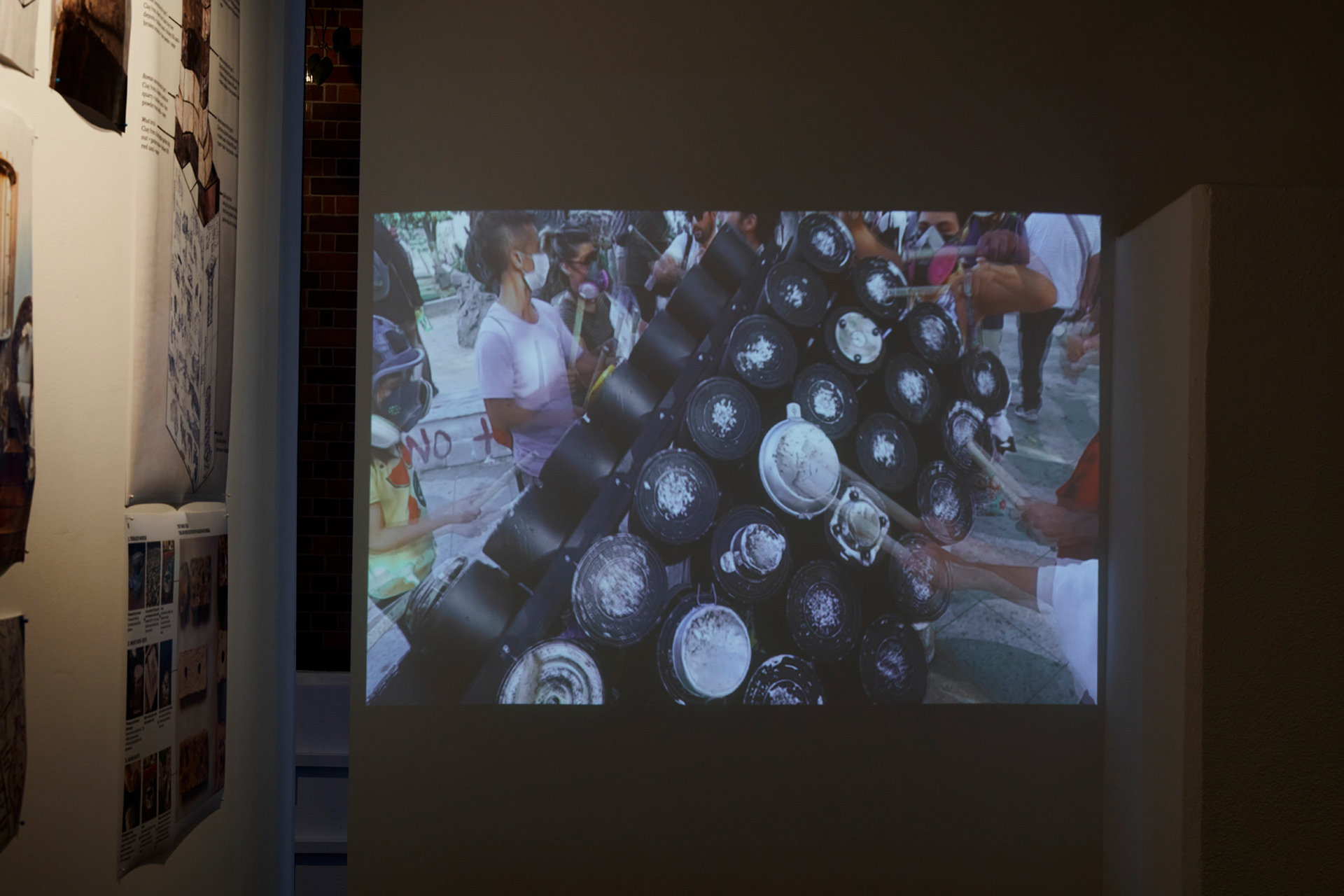
Photo: Cieran Murphy.
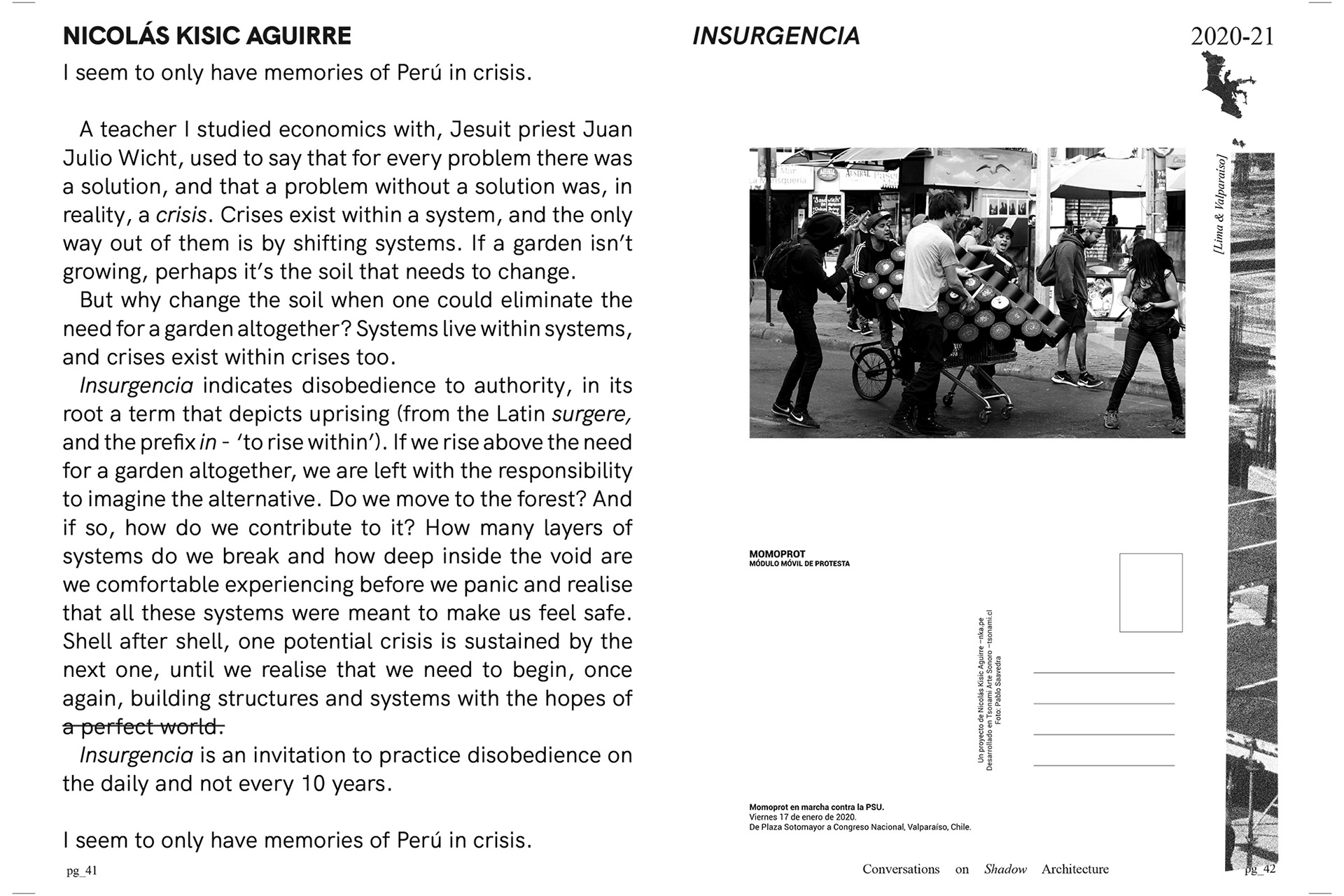
Conversations on Shadow Architecture – publication designed by Marilena Hewitt, available at the exhibition. P. 41 (Nicolás Kisic Aguirre).
From curator Ineke Dane:
“Conversations on Shadow Architecture (C o S A) was born from a trip to Cairo in May 2012, in the weeks surrounding Egypt’s first democratic election after the Arab Spring. At the time I was living in Berlin, and images of Tahir Square’s makeshift tent-city – temporarily home to thousands of protestors, activists and citizens – was a nascent symbol of the revolution that became synonymous with critical spatial practice.
The project title borrows a term coined in the same year by Warsaw-based architect Aleksandra Wasilkowska. Wasilkowska defines ‘shadow architecture’ as spatial artefacts that emerge from the bottom up, functioning in the margins of systems and without the participation of an architect or bureaucracy. The term describes architecture that supports the shadow economy (informal, unofficially recorded or recognised) known to comprise a substantial percentage of circulating capital at any given time.
The contributors to C o S A disrupt the machine or reject the monotony of what’s practiced in the everyday. They step clear of the well-beaten track to provoke the core of our humanness – and its shadow – recalling the currency of fluid, liminal and responsive existence.”
“Conversations on Shadow Architecture (C o S A) was born from a trip to Cairo in May 2012, in the weeks surrounding Egypt’s first democratic election after the Arab Spring. At the time I was living in Berlin, and images of Tahir Square’s makeshift tent-city – temporarily home to thousands of protestors, activists and citizens – was a nascent symbol of the revolution that became synonymous with critical spatial practice.
The project title borrows a term coined in the same year by Warsaw-based architect Aleksandra Wasilkowska. Wasilkowska defines ‘shadow architecture’ as spatial artefacts that emerge from the bottom up, functioning in the margins of systems and without the participation of an architect or bureaucracy. The term describes architecture that supports the shadow economy (informal, unofficially recorded or recognised) known to comprise a substantial percentage of circulating capital at any given time.
The contributors to C o S A disrupt the machine or reject the monotony of what’s practiced in the everyday. They step clear of the well-beaten track to provoke the core of our humanness – and its shadow – recalling the currency of fluid, liminal and responsive existence.”
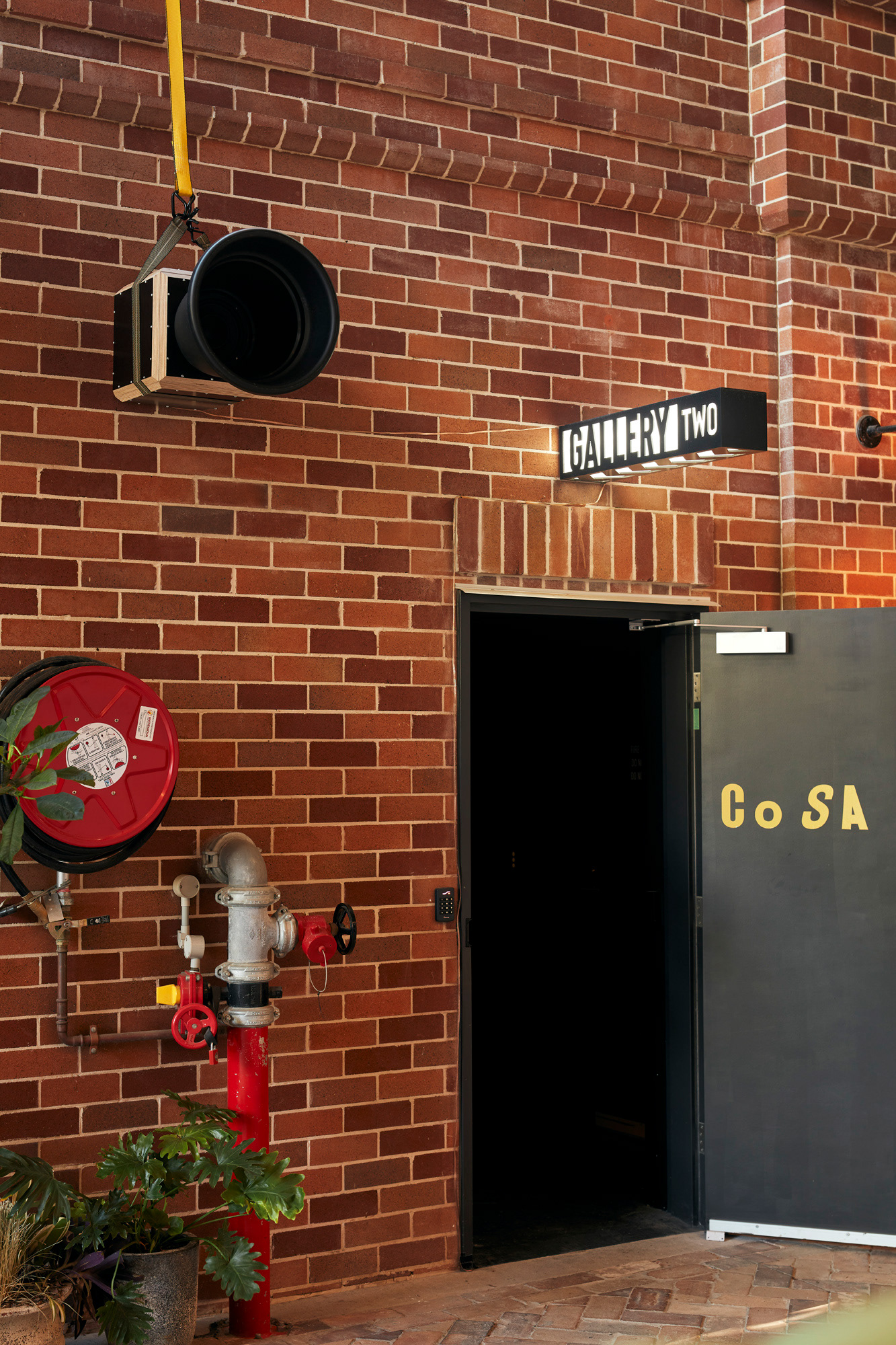
Photo: Cieran Murphy.
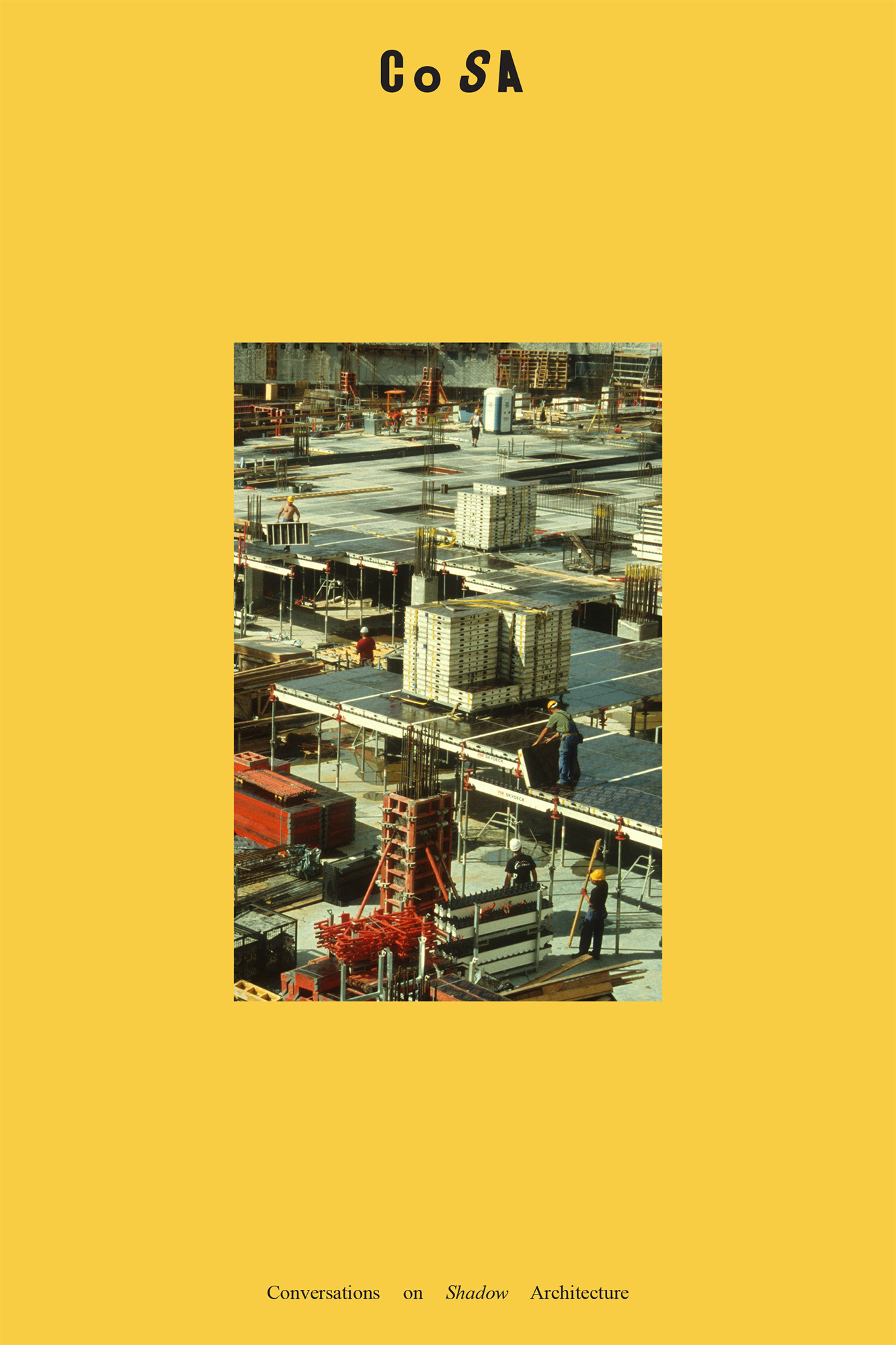
Conversations on Shadow Architecture – publication designed by Marilena Hewitt, available at the exhibition. (Cover).
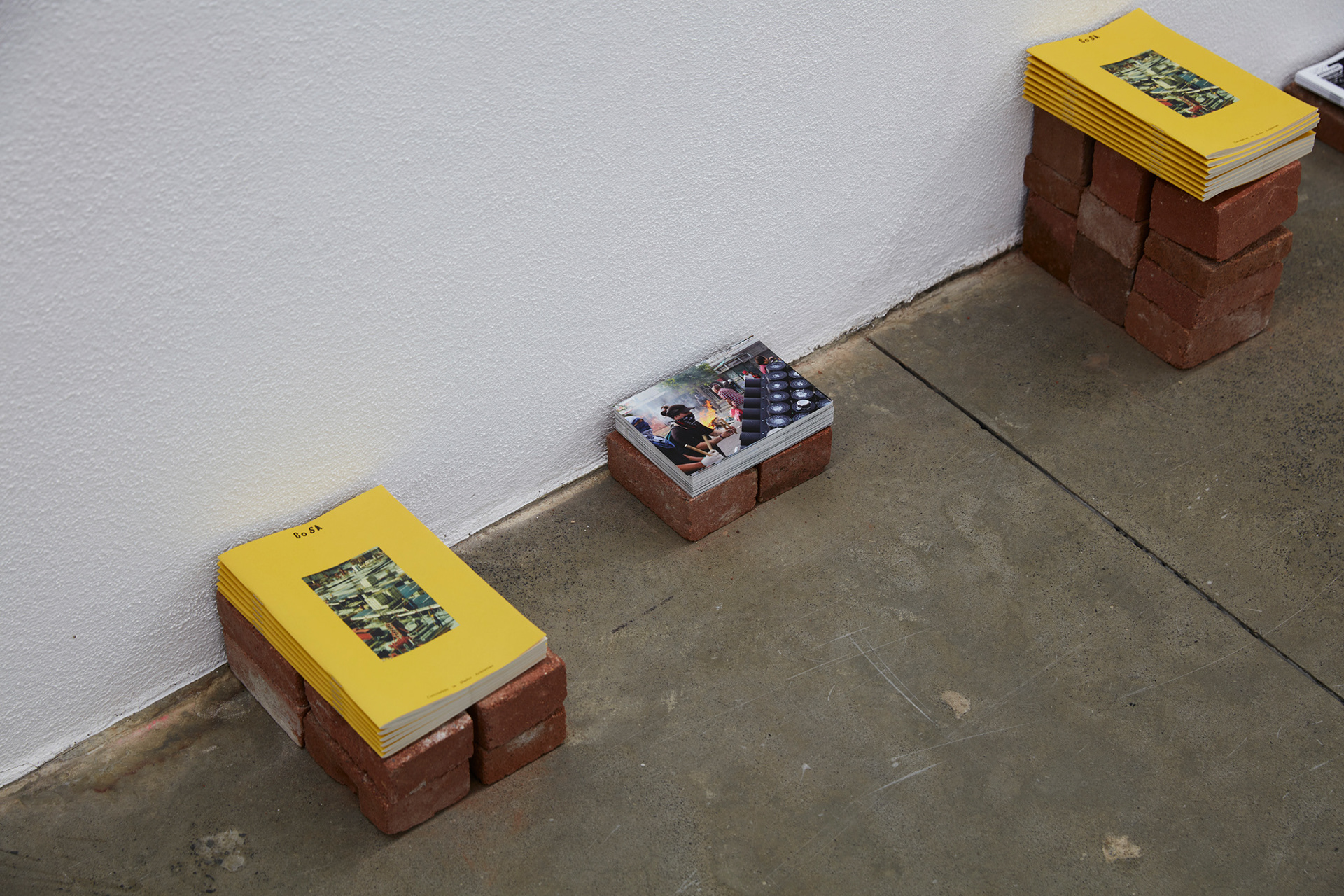
Photo: Cieran Murphy.
Acknowledgments: Ineke Dane, Metro Arts, Dominik Mersch Gallery.